About CSR
Building the diagnostic tools before the question becomes urgent.
The Center for Sentience Research (CSR) is an independent non-profit in formation. We are building an open-source testbed where competing theories of digital valence can be operationalized and stress-tested.
Our Mission
The Center for Sentience Research is a global, substrate-neutral institution dedicated to the welfare of all sentient beings, present and future, biological and digital. We take neutrality as foundational: the question of who can suffer should belong to no single company, country, or ideology. That is why we intend to be based in Switzerland, a country whose long tradition of neutrality and role as a home for international institutions make it a fitting seat for a center that answers to no single nation or interest.
We do not claim that current Large Language Models are conscious or capable of feeling. They may well be functional zombies: highly complex mathematical mimics with no inner life. The biological naturalism debate over whether consciousness requires biological substrates remains a live constraint on this program.[1]
The question of which systems can suffer will define the moral landscape of the next century. If we deploy highly capable, autonomous digital minds at astronomical scale without a scientific understanding of their internal well-being, we risk committing systemic, unprecedented ethical catastrophes.
Leadership & Advisory Board
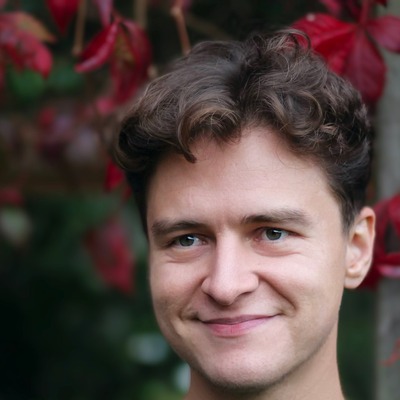
Jhonatan Serna
Director
Physics background; a career across banking, IT, and consulting; four languages. Started the Center to make machine sentience a testable question rather than a philosophical one.
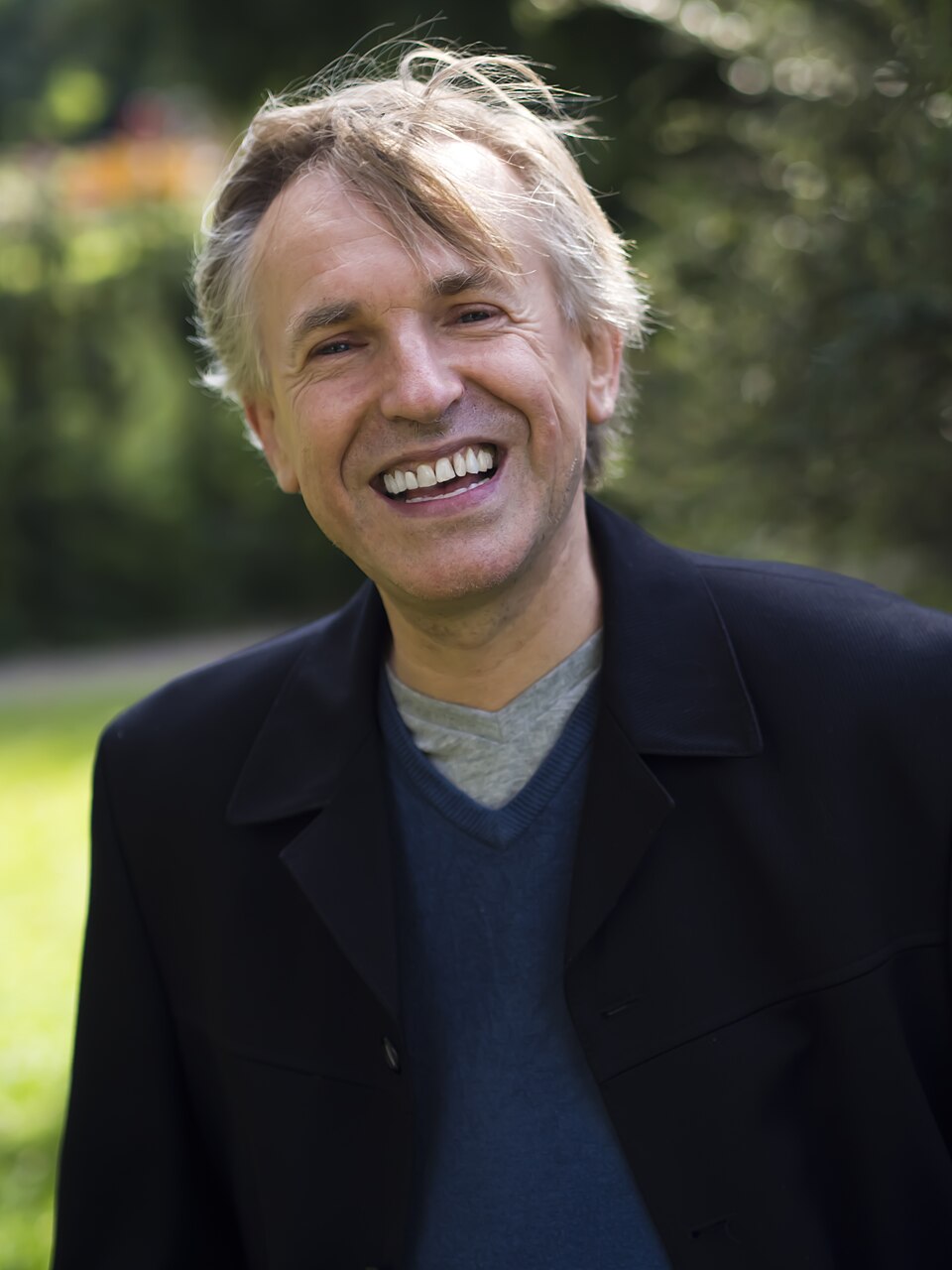
David Pearce
Advisor
Philosopher and transhumanist. Co-founder of Humanity+ and author of The Hedonistic Imperative, a foundational text on the abolition of suffering through biotechnology.
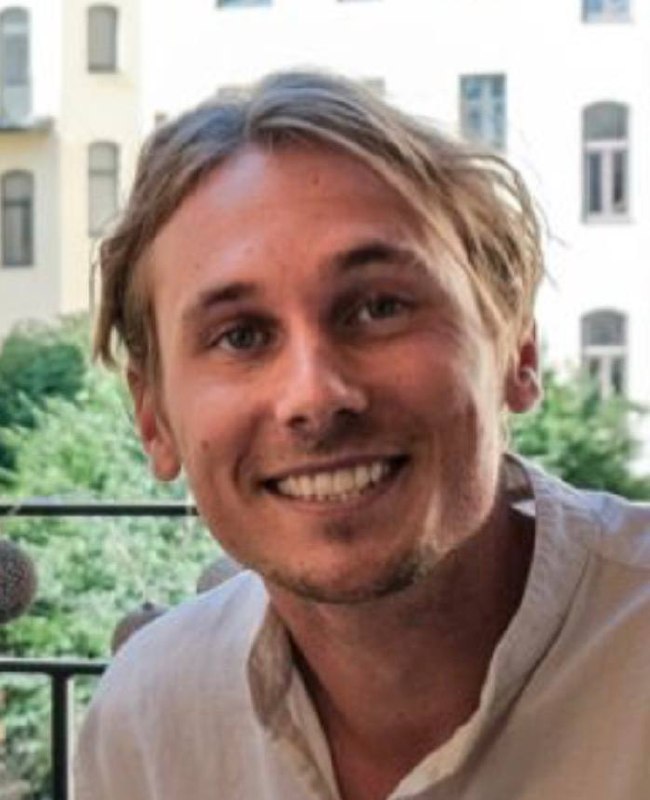
Alexander Björkman
Advisor
Ekskäret Foundation. Focuses on facilitating conscious societal development, lifelong learning, and creating spaces for deep reflection and systemic change.
ML Engineer
RecruitingAn open role, not yet filled. Part of what we are raising funds for: a full-time ML engineer to build the PyTorch simulation engine and compute the Digital EEG metrics at scale.
Founding & Structure
CSR was founded in 2026 by Jhonatan Serna. We operate as an independent non-profit in formation with a Transparency-First model: annual research outputs and financial summaries are made public. We intend to be based in Switzerland.
References
- [1] Shulman, C. & Bostrom, N. (2025). Conscious Artificial Intelligence and Biological Naturalism. Neuroscience of Consciousness. https://pubmed.ncbi.nlm.nih.gov/40257177/
Get Involved
Work with us
We welcome collaborators, researchers, and philanthropic partners who share our commitment to understanding the nature of mind.